
WHAT'S UP NEXT
A Rare Brahms Masterpiece
SEARCH FOR TOMORROW: THE LOVE STORY OF THE BEAUTIFUL MAGELONE & PETER OF PROVENCE
Sunday, April 19 | 3 PM
Search for Tomorrow: The Love Story of the Beautiful Magelone and Peter of Provence
featuring Timothy Jones, bass-baritone, Katrin Talbot, narrator and photography, & Jeffrey Sykes, piano
Experience Brahms like never before!
The Little Carver Theatre
226 N Hackberry San Antonio, TX 78202
Sunday, April 19 | 3 PM
The Little Carver Theatre
Search for Tomorrow: Brahms’s Magelone-Lieder on the Edge of Opera
Johannes Brahms never wrote an opera—a fact that remains one of music history’s great “what-ifs.” Opera in the nineteenth century was the grand arena: mythic subjects, sweeping orchestras, theatrical spectacle, emotional extremes. Brahms loved literature, medieval legend, and psychological depth, yet he resisted the operatic stage. Partly this was temperament: Brahms was private, self-critical, wary of excess. In an era when audiences and critics often cast him in opposition to Wagner’s revolutionary music dramas, Brahms chose a different path—one rooted in intimacy rather than spectacle.
And yet, if he ever came close to writing an opera, it is here.
Brahms’s Magelone-Lieder, Op. 33, are unlike any other songs in the repertoire. They are not simply a collection of love songs, nor a conventional song cycle in the mold of Schubert or Schumann. Instead, they form a musical retelling of a fairy tale filled with knights, princesses, longing, storms, separation, temptation, and miraculous reunion—a nineteenth-century serial drama in miniature.
The story comes from Ludwig Tieck’s Romantic retelling of a medieval legend: The Wondrous Love Story of the Beautiful Magelone and Count Peter of Provence. Peter, restless for adventure, leaves home to test himself in the wider world. He meets Magelone, a princess. They fall deeply in love. Rings are exchanged. They flee together. A storm separates them. Each believes the other lost. Another woman appears. Years pass. And at last—against all odds—they are reunited.
It is not hard to see why we titled this concert Search for Tomorrow. What is this story, after all, if not a search for what lies beyond the present moment—a belief that tomorrow might yet restore what today has broken? This season we are exploring The Infinite Horizon—that line where earth meets sky, where what we know touches what we cannot yet see. The horizon always recedes as we move toward it, and yet we move forward anyway. Peter rides toward his future without certainty. Magelone waits and hopes beyond what she can see. Each of their lives is oriented toward something just past the visible edge of the present.
A Story from Brahms’s Own Youth
The story of Magelone was not merely an interesting literary discovery for Brahms. It was part of his own early life. When Brahms was fourteen, he spent restorative summers in the countryside near Winsen, outside Hamburg. There he wandered fields and woods with a girl named Lieschen Giesemann, reading books aloud together beneath the trees. Among their favorites was the medieval romance
The Beautiful Magelone and the Knight Peter with the Silver Keys. The young Brahms was captivated by the tale of a knight inspired by a minstrel to set out into the world, who finds, loses, and ultimately regains a faithful love.
These childhood readings left a deep imprint. Decades later, when Brahms began composing the Magelone-Lieder, he was drawing on memories of those summers—of forests, fields, books, and youthful imagination. The cycle became, in a sense, a return to that formative Romantic world.
The story itself also reflects the spirit of the early Romantic movement. The word
Romantic comes from the medieval
romances—tales of knights, quests, magic, devotion, and adventure. Writers and artists of the nineteenth century were fascinated by these stories because they offered something the Enlightenment’s rational world could not: boundless imagination, mystery, and emotional intensity. In setting the poems from this tale, Brahms was not simply writing songs—he was participating in that larger Romantic tradition.
Songs as Emotional Windows
Tieck tells the tale in prose, but at key emotional moments in his narrative he inserts poems—songs sung by the characters themselves. These are the poems Brahms chose to set. He did not set all of Tieck’s poems, but only the emotional high points of the narrative: youthful ardor, ecstatic love, private tenderness, despair in separation, and the final affirmation of enduring love.
Many of these songs unfold like arias. The opening bursts with heroic momentum—horn calls and galloping rhythms that feel like a young knight riding toward destiny. Elsewhere we hear lullabies of extraordinary intimacy, laments suspended in time, and surging piano textures that suggest storm-tossed waves. At moments the piano writing becomes so rich and layered that it feels almost orchestral in color. Yet Brahms keeps everything within the recital hall: one singer, one pianist, no sets, no costumes—only imagination.
One Voice, Many Perspectives
The poems belong to different characters in the story: a minstrel, Peter, Magelone, Sulima—the “other woman”—and finally the lovers together. Yet Brahms conceived the work for a single singer and pianist.
In tonight’s performance, one voice carries them all—not as theatrical impersonation, but as shared human experience. The singer becomes a storyteller moving between perspectives: youthful heroism, vulnerability, longing, consolation. Even the final duet—where Peter and Magelone sing of their reunited love—is sung by one voice. Rather than representing two separate individuals, it becomes the united heart of both lovers speaking as one.
A Story Told Through Music, Word, and Image
One challenge of the Magelone-Lieder is that the songs themselves do not narrate the entire story. Without knowing the tale, the listener would encounter a series of powerful emotional moments but not always know where they fit in the narrative. For that reason, many performances—including ours—restore the storytelling element by adding narration between the songs. The spoken text allows the full arc of the fairy tale to unfold clearly, while the songs illuminate the inner lives of the characters.
In our performance, that storytelling expands even further. Narrator and photographer Katrin Talbot has created a photographic sequence that accompanies the cycle—not to illustrate the story literally, but to evoke atmosphere: light, shadow, landscape, distance, memory. Word, image, voice, and piano meet in a modern close encounter, deepening the experience without overwhelming it.
From Adventure to Devotion
The early songs blaze with youthful momentum and heroic energy. As the story deepens, the music grows more intimate. Peter sings a lullaby of extraordinary gentleness. Magelone’s lament seems suspended in time. There are moments where the piano surges like waves or echoes distant horn calls, and others where it becomes almost weightless, like a memory. After the storm and separation, the emotional landscape changes. The songs of despair are among the most moving Brahms ever wrote. Yet even in these darkest moments, there is dignity. The lovers do not collapse into bitterness; they endure. And finally comes affirmation: True love is long-lasting. The music opens and glows. What began as youthful bravado becomes something steadier, wiser, more luminous.
Tieck believed that a fairy tale should create “a stage for the imagination.” In these settings of Tieck’s poems, Brahms created exactly that—a fairy tale told through music.
By the end of this performance we will have traveled from adventure to devotion, from storm to radiance. The fairy tale remains a fairy tale—but it feels unmistakably human. After all, we all live our lives looking toward horizons we cannot fully see, trusting that love, courage, and faithfulness will carry us forward. We may not be knights or princesses—but we know longing, hope, and what it means to stand at the edge of the present moment, searching the infinite horizon for tomorrow.
2025-2026 SEASON
Close Encounters Lineup

Close Encounters
Chamber music at its intimate best
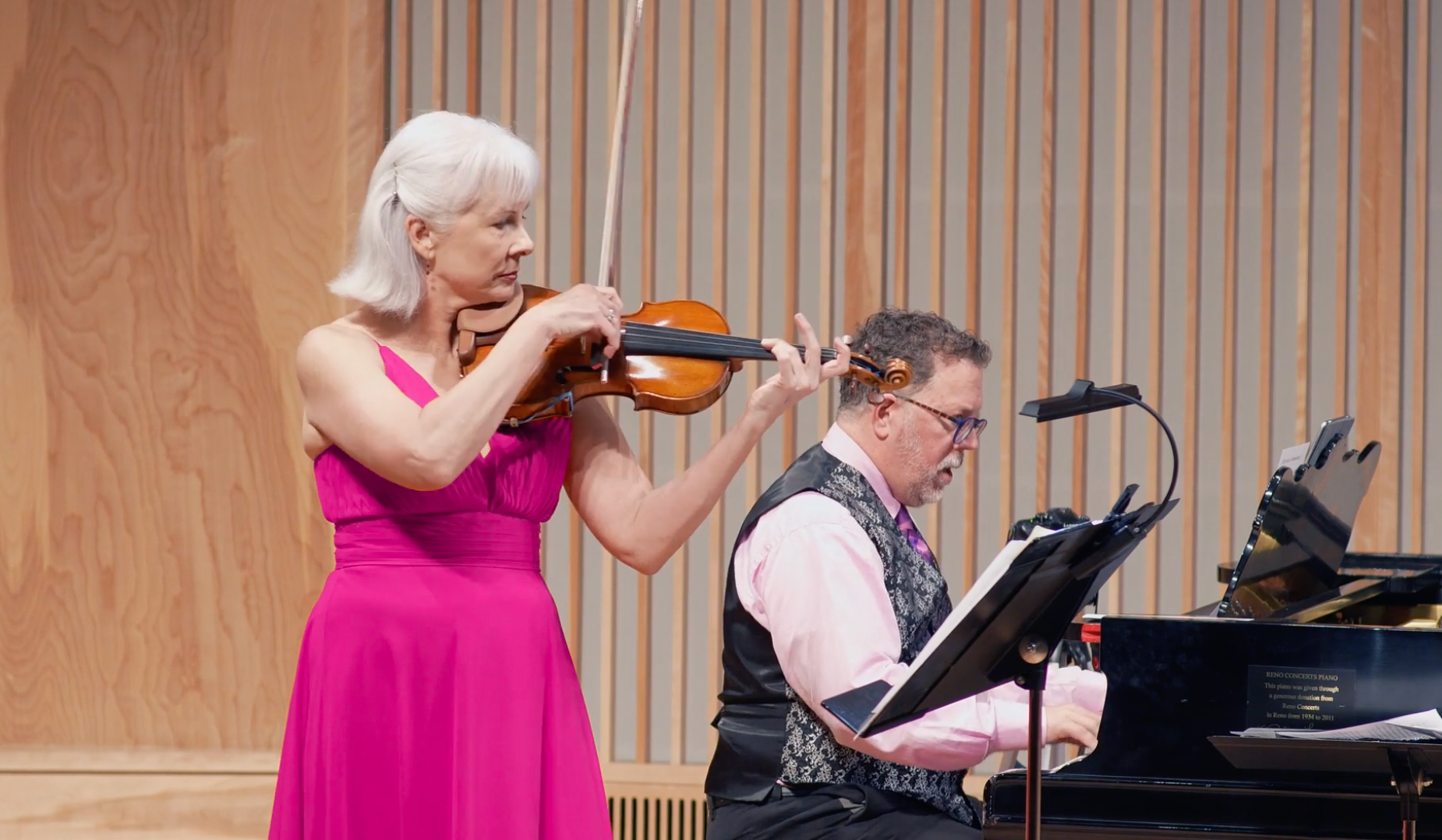
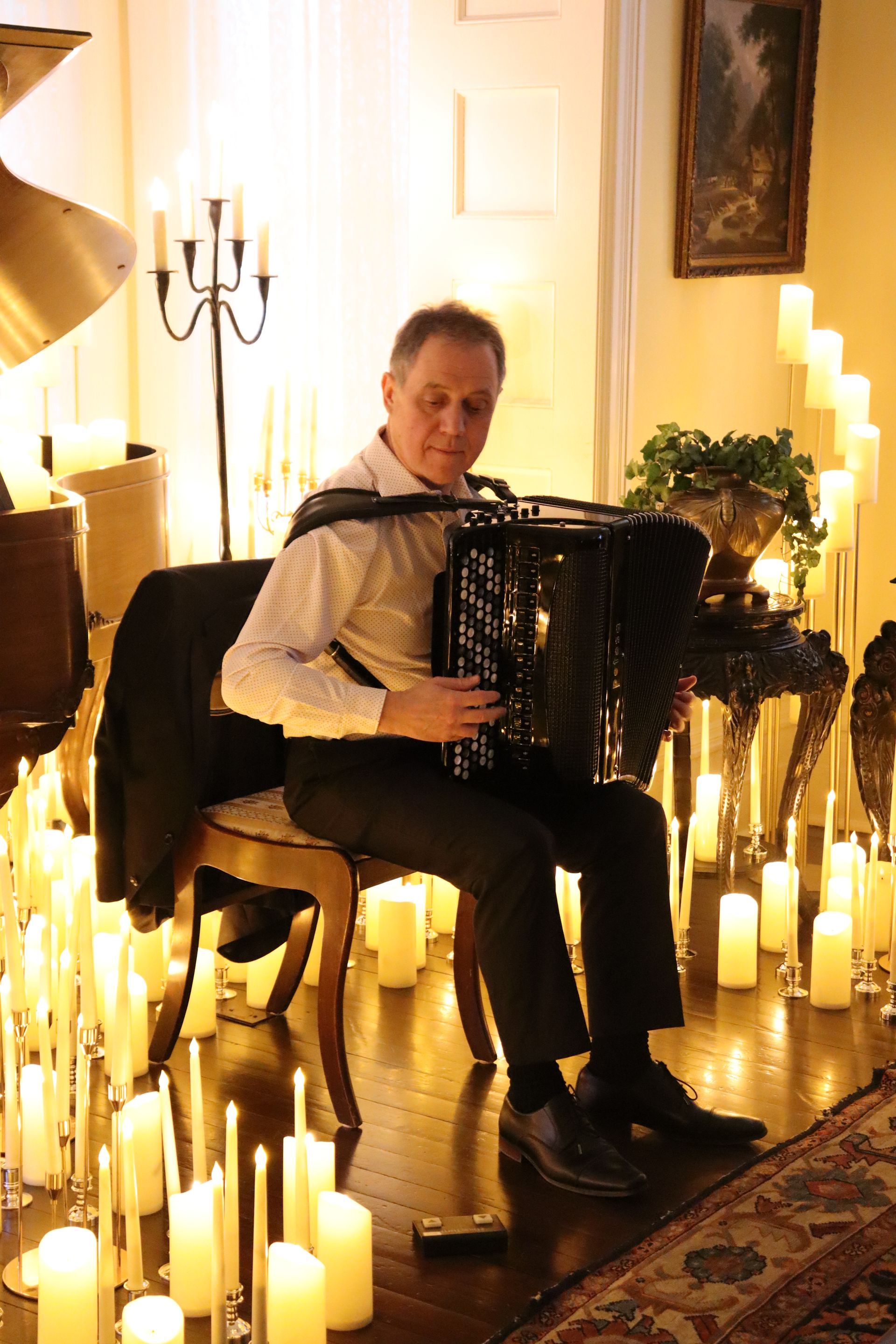
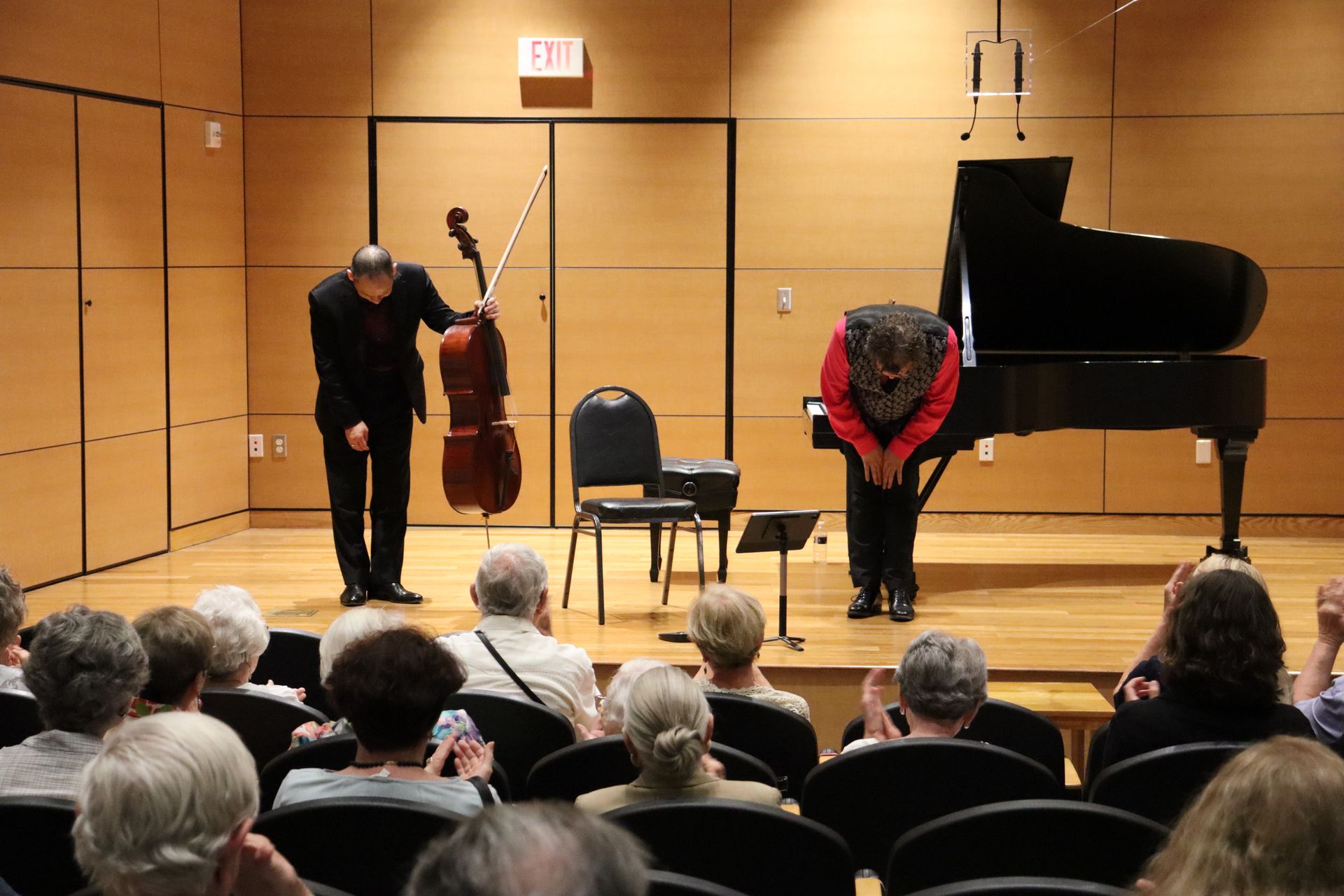
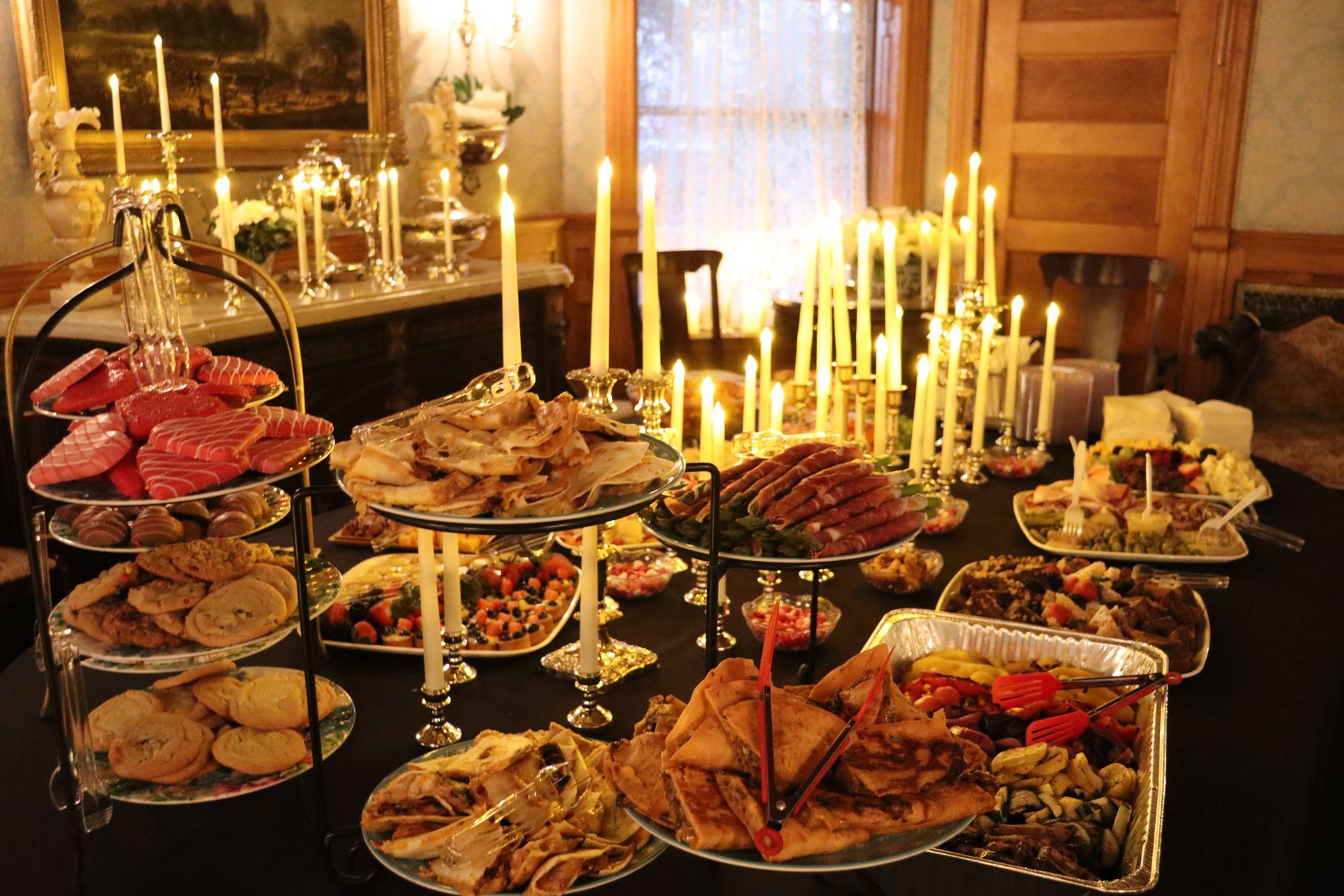
Close Encounters celebrates the special intimacy between audience, artists, and music. With each event, you’ll enjoy an evening of live chamber music in a warm, welcoming setting—complete with a light buffet, wine, and the rare opportunity to connect directly with the musicians and fellow music lovers. This is chamber music at its most personal and inviting.
The Intimacy, the Artistry
When little comes between you and the music
It's all up close and personal as you sit and enjoy the music. There really is little that comes between you, the artists, and the music! The intimacy of the venue, the closeness of the performing artists, the camaraderie and the light buffet of delectable delights, included with the price of your ticket, make for a truly memorable experience.

Do check out our "Supporting CPMF" webpage to see the new donor levels and the
benefits included for you, including tickets for our Close Encounters series.